
North Carolina Investment Property Loans
North Carolina investment-property loans — business-purpose DSCR and non-owner bank statement. Cap rates by market, the second-lien rule. NMLS #1281.

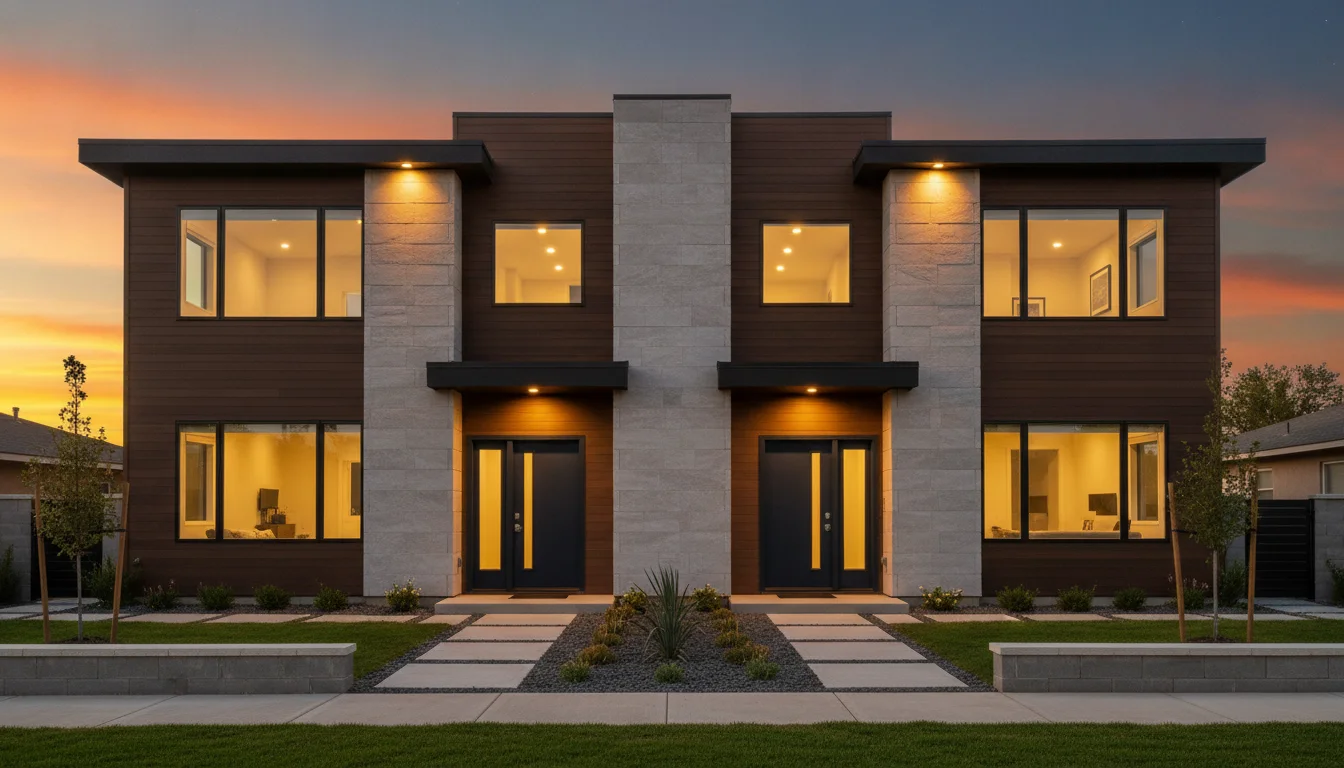
North Carolina is a business-purpose lending state for us. We finance non-owner-occupied investment property here through DSCR, non-owner bank statement, NONI, bridge, and commercial programs.
Owner-occupied and consumer mortgage products (FHA, VA, USDA, conventional, jumbo, reverse) are not offered in North Carolina.
The core metros are priced for appreciation, not coverage
North Carolina’s headline markets have attracted enough capital that cap rates have compressed below what a standard DSCR program comfortably clears.
Illustrative 2026 cap rates:
| Market | Multifamily | Retail / Other |
|---|---|---|
| Raleigh–Durham (Triangle) | 4.8%–5.6% | Office core 6.0%–7.0% |
| Charlotte | 5.0%–6.0% | Office CBD 6.5%–7.5% |
| Winston-Salem, Greensboro–High Point, Fayetteville | 5.8%–7.0% | Retail 7.0%–8.2% |
With financing costs where they are, a Triangle property at a 5.0% cap does not debt-service on standard leverage. A Greensboro or Fayetteville property at 6.8% has real room.
That inversion is the story of North Carolina right now: the secondary markets carry the coverage, the core metros carry the appreciation thesis. Raleigh and Charlotte are excellent markets and lousy day-one DSCR files. Both things are true, and the financing should be structured for whichever one you’re actually buying.
For current observed pricing across credit tiers, see the non-QM rate index , updated weekly.
The rule that changes how you plan the down payment
Second-lien financing is not available on North Carolina files.
This matters more here than it would elsewhere, because North Carolina is exactly the kind of market where investors reach for a CLTV structure. Core-metro pricing is high, cap rates are compressed, and the instinct is to close the gap with a second behind the first.
That option is off the table. North Carolina files work on the first lien or they don’t work.
Practically, that means the down payment conversation happens at the beginning rather than as a rescue in week three. On a Charlotte or Raleigh file where the ratio is already tight, plan the equity contribution before you write the offer — there is no second-lien fallback to reach for after the appraisal comes in.
Where the constraint bites hardest is exactly where the yields are thinnest. A Triangle property at a 5.0% cap with a tight down payment and no CLTV option is a file that needs interest-only structure, a larger contribution, or a different property.
What does structure in North Carolina
Interest-only is the primary lever. In a 4.8%–6.0% cap environment, removing principal from the denominator is usually the largest single improvement available, and with second liens off the table it carries more weight here than in most states.
Prepayment structures are not available everywhere. Availability and terms vary by state, by loan amount, and by whether the borrower takes title personally or through an entity. We confirm the structure for your state and vesting before quoting.
Secondary markets deserve a real look. Winston-Salem, Greensboro–High Point and Fayetteville at 5.8%–7.0% multifamily cap rates produce ratios that Charlotte and Raleigh currently don’t. Fayetteville carries military tenancy from Fort Bragg, which brings both rent stability and SCRA turnover — model the turnover rather than assuming stable twelve-month tenancies.
LLC vesting is standard on DSCR files. Bring the operating agreement, EIN and formation documents to closing.
Programs available in North Carolina
- DSCR Loans — qualified on the property’s rental income, not your personal income. No limit on financed properties.
- Bank Statement Loans — Non-owner-occupied bank statement loans; 12 or 24 months of deposits for self-employed investors.
- NONI / Foreign National Loans — for borrowers with no documentable U.S. income.
- Hard Money Loans — Short-term, asset-based financing for fix-and-flip, lot acquisition, and value-add deals. Available in all 50 states.
- Rehab Loans — Purchase and renovation financing in one loan. Fix-and-flip, BRRRR, and value-add projects.
- Bridge Loans — Short-term financing between an acquisition and permanent loan, or while a property is stabilizing.
- Commercial Real Estate Loans
North Carolina investor FAQ
Why is my Charlotte or Raleigh DSCR coming in low? Cap rate compression. Triangle multifamily is running 4.8%–5.6% and Charlotte 5.0%–6.0%, against lending in the mid-6% range. The property is fine; the yield doesn’t cover the payment at standard leverage.
Can I use a second mortgage to bridge the down payment? No. Second-lien structures aren’t available on North Carolina files, so CLTV approaches used in other states are off the table. Plan the equity on the first lien alone.
Where in North Carolina does the DSCR math actually work? The secondary markets — Winston-Salem, Greensboro–High Point, Fayetteville — at 5.8%–7.0% multifamily cap rates. That’s where coverage clears without heavy structuring.
Does Fort Bragg tenancy help my Fayetteville file? It supports rent stability, but SCRA lease-termination rights mean higher turnover than a civilian market at the same cap rate. Build the turnover into your vacancy assumption rather than discovering it later.
Do you lend on North Carolina owner-occupied purchases? No. North Carolina is business-purpose only for us — investment and non-owner-occupied property financing. We do not offer FHA, VA, USDA, conventional, jumbo, or reverse mortgages in North Carolina.
Ready to run a specific North Carolina property? Check DSCR eligibility or call (833) 350-9185 .
For illustration only. Not a commitment to lend. Rates and terms subject to change and qualification. Market figures are illustrative observations and not guarantees of performance. 1st Nationwide Mortgage Corporation, NMLS #1281. Equal Housing Lender.
Charlotte Bank Statement Loans | No Tax Return Mortgage
Charlotte bank statement loans qualify self-employed borrowers on 12-24 months of deposits, not tax returns. Finance, healthcare, construction, business owners.
Charlotte DSCR Loans for Real Estate Investors
DSCR loans in Charlotte qualify investors on rental income — no tax returns, no W-2s. Purchase or cash-out refinance Charlotte investment property. NMLS #1281.
Charlotte Investment Property Loans
Investment property financing in Charlotte, North Carolina through business-purpose lending — DSCR and non-owner-occupied bank statement loans. No tax returns. NMLS #1281.
North Carolina Bank Statement Loans (No Tax Returns) | Self-Employed Mortgage
North Carolina bank statement loans let self-employed borrowers qualify using 12 or 24 months of bank deposits instead of tax returns.
North Carolina Bridge Loans for Real Estate Investors
Bridge loans for North Carolina real estate investors — short-term financing between a purchase and permanent loan, or while a property is stabilized or sold. Fast close, all 50 states.
North Carolina DSCR Lender — Charlotte to Wilmington
DSCR loans in North Carolina let real estate investors qualify using rental income — no tax returns or pay stubs needed. Purchase or refinance investment properties statewide.
North Carolina Hard Money Loans
Hard money loans for North Carolina real estate investors and developers. Asset-based purchase and fix-and-flip financing with fast close. Business-purpose lending, available in all 50 states.
North Carolina Rehab Loans for Real Estate Investors
Rehab loans for North Carolina investors — purchase and renovation financing in one loan. Fix-and-flip, BRRRR, and value-add projects. Business-purpose lending, all 50 states.
Raleigh DSCR Loans for Real Estate Investors
DSCR loans in Raleigh qualify investors on rental income — no tax returns, no W-2s. Purchase or cash-out refinance Triangle investment property. NMLS #1281.
Raleigh Investment Property Loans
Investment property financing in Raleigh, North Carolina through business-purpose lending — DSCR and non-owner-occupied bank statement loans. No tax returns. NMLS #1281.
Ready to Get Started?
Talk to a licensed loan officer about your options — no obligation.